
What “AI-Ready” Actually Looks Like Inside a Mid-Size Organization
 10 min read
 Oct 16, 2025

AI readiness consulting plays a significant role today. Nearly 50% of companies use AI in at least one business function. This number will likely increase as the technology matures. Many companies claim they're "AI-ready," but a noticeable gap exists between these claims and actual implementation readiness.
Companies can gain a competitive advantage when they arrange AI with their business goals to stimulate growth. The situation looks quite different inside most mid-size organizations. Teams often work with split budgets. Their legacy systems fail to communicate with each other. Leadership teams remain unsure about what AI adoption should deliver. Gartner reports that 38% of HR leaders have started implementing or piloting generative AI. But readiness for AI means much more than just buying new technology.
Organizational Readiness: Leadership, Culture, and Strategy
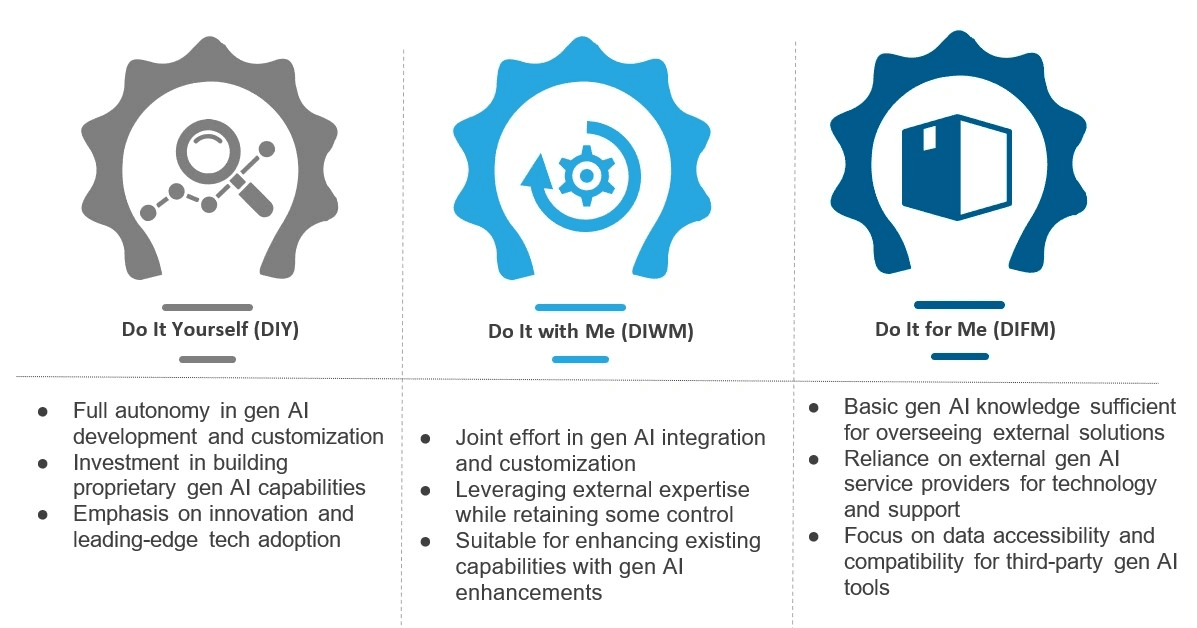
Executive Buy-In and Long-Term AI Vision
Leaders' understanding of AI capabilities remains a major challenge. Companies don't deal very well with AI initiatives because leaders, not employees, fail to steer these projects quickly enough. Companies need senior executives who can turn technical possibilities into business advantages. Promising AI projects often fail to grow beyond the pilot phase without this vision. Research shows all but one of these projects make it from pilot to production.
Arranging AI with Business Goals and KPIs
Companies must tie their AI strategy to measurable business outcomes. Organizations that use AI to prioritize key performance indicators (KPIs) are 4.3 times more likely to improve alignment between functions than others. These 'smart KPIs' help predict future performance and spot operational connections. Companies that exploit AI-enabled KPIs are five times more likely to match incentive structures with objectives compared to those using traditional metrics.
Creating a Culture of Experimentation and Learning
A culture that welcomes experiments speeds up AI adoption. The data shows most barriers to scaling don't come from employee resistance—94% of employees know about generative AI tools. Organizations need to establish:
- Structured opportunities for hands-on learning
- Safe spaces to test AI applications
- Mechanisms for knowledge sharing across teams
Research shows employees who feel trusted by employers are 94% more likely to try AI for work-related tasks. This trust-based approach builds the foundation for green AI adoption.
AI Readiness Consulting: Support for Strategy
Specialized AI readiness assessment proves valuable when internal efforts stall. A detailed assessment looks at your organization's data architecture, current AI capabilities, and finds critical gaps. These evaluations end with strategic roadmaps that outline priority next steps toward your target AI maturity level. A well-laid-out consulting approach helps tackle common challenges like data collection strategies, implementation complexity, and cultural adaptation.
True organizational readiness goes beyond technology adoption. It needs executive champions who understand AI's potential, strategic connection with business objectives, and a culture that welcomes experiments.
Team Capabilities and Skills Gaps
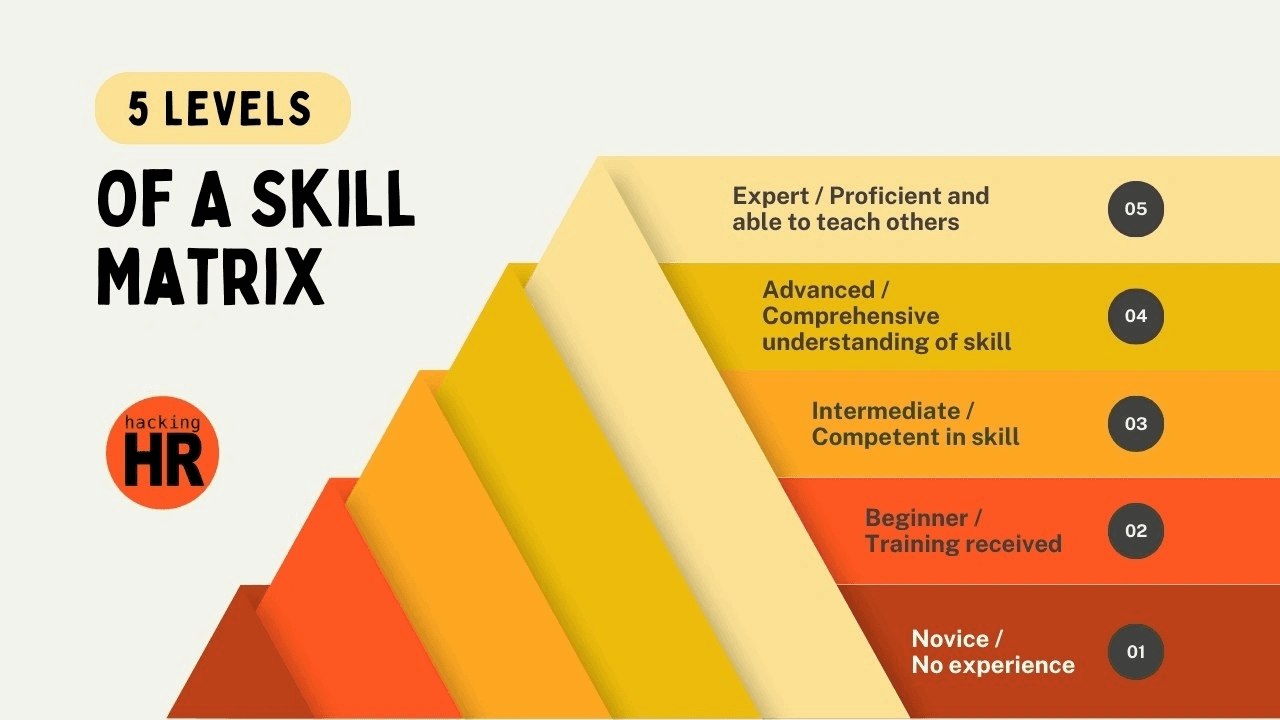
Assessing Internal AI and Data Science Skills
A full picture of capabilities helps prevent wasting resources. It also gives realistic project planning that lines up with how mature your organization is. Many mid-size companies find their current abilities fall short of their AI goals. A good assessment looks at your AI maturity level through skills and data readiness frameworks with clear benchmarks. The evaluation should get into both technical skills and vital soft skills like communication, problem-solving, and adaptability.
Upskilling Programs and AI Literacy Workshops
The numbers tell an interesting story - 74% of employees use AI at work but only 33% have received proper training. Teams with AI training are 1.9 times more likely to get value from their AI investments. These approaches work well for upskilling:
- Role-specific AI training paths for different departments (sales, finance, marketing)
- Workshops that focus on hands-on practice instead of theory
- AI literacy programs built for non-technical staff
Partnering with AI Consulting Firms for Expertise
Big consulting firms put serious money into AI capabilities. Accenture plans to spend $3 billion to grow capabilities and double its AI workforce to 80,000 specialists. All the same, finding partners who understand your specific challenges matters most. Leading consulting firms meet on one vital challenge - they help companies move from AI experiments to full-scale production.
Cross-Functional Teams: IT, Ops, and Business Alignment
IT teams play a vital role when they assess technologies and put tools to work at their best. The core team should document processes that AI can improve - this forms the foundation for success. Business and IT alignment goes beyond org charts. It creates shared responsibility for customer value, which becomes a key test for successful AI adoption.
Technology and Data Infrastructure Readiness
Assessing Cloud Platforms for AI (AWS, Azure, GCP)
Major cloud providers bring unique advantages to AI implementation. AWS excels with its extensive service integration, making it a natural fit for organizations already using their ecosystem. Companies using Microsoft technologies will find Azure's strong enterprise integration particularly valuable. Google Cloud stands out by offering advanced AI capabilities that showcase Google's expertise in these areas. Your choice should depend on:
- Available computational resources
- Data storage options
- System integration possibilities
- Budget-friendly cost structure
Data Silos and Integration Challenges
Data silos remain one of the toughest barriers to AI readiness. Many organizations struggle with fragmented data across departments. Their structured data sits in multiple warehouses while unstructured data stays isolated in separate lakes. This division creates complex data management issues, reduces visibility, and drives up costs. The challenge grows as 58% of organizations report that limitations in scale and speed hold back their AI deployments.
Security, Privacy, and Compliance Considerations
AI implementations raise serious privacy concerns. Organizations need strong data governance frameworks since AI models contain sensitive information that attracts attackers. The situation seems critical as all but one of these organizations lack the tools to detect or prevent AI-specific threats. Mid-size organizations must pay special attention to GDPR compliance, which demands careful data minimization, purpose limitation, and storage restrictions.
AI Readiness Index: Scoring Your Tech Stack
The AI Readiness Index helps measure your organization's preparedness in multiple areas. This tool gives you the full picture of your infrastructure's ability to handle AI workloads, integrate with existing systems, and grow with increasing demands. Your infrastructure's scalability becomes crucial as AI requirements grow - a key factor many organizations overlook during their original implementation.
From Readiness to Execution: Launching AI Projects
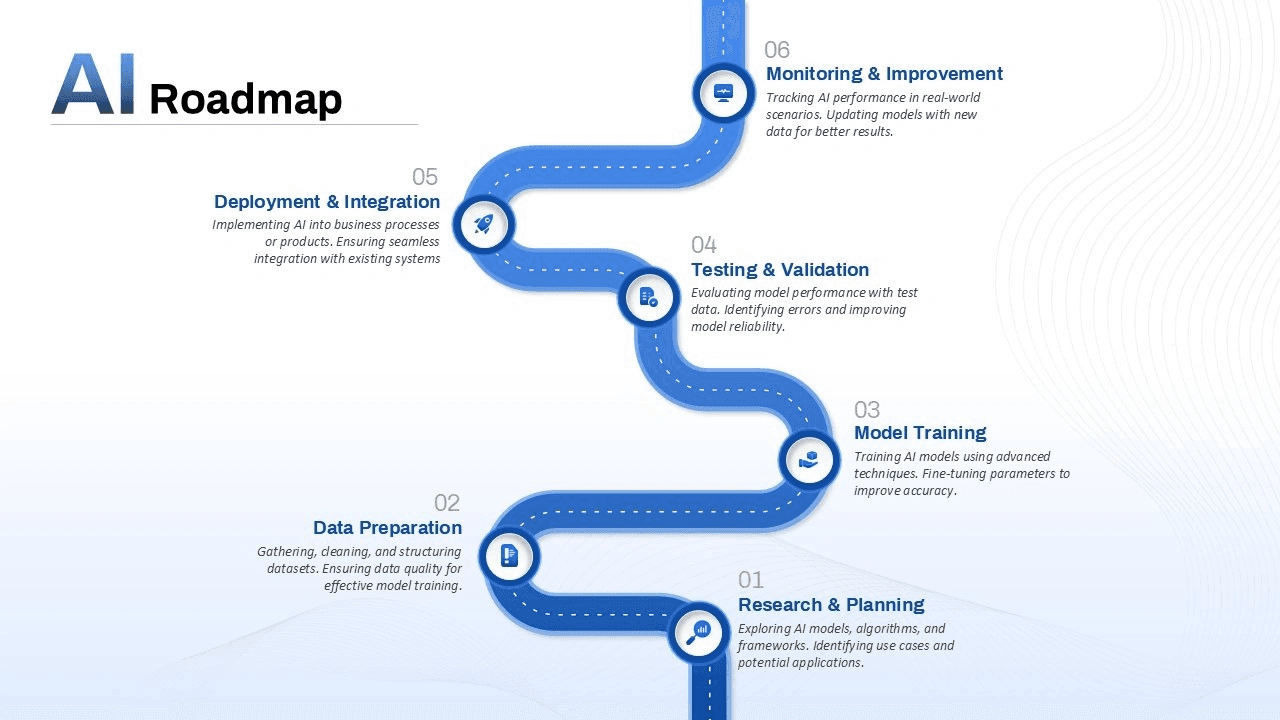
Selecting the Right Use Cases for First AI Projects
Companies need to balance business benefits against what's technically possible. Most newcomers to AI choose projects that either miss urgent business needs or bring needless risks. Back-office automation projects work best as a starting point. Contract processing or administrative tasks with repeatable steps can show measurable results.
Running Controlled Pilots with Clear Metrics
The best pilots run in controlled settings for 3-6 months. Companies that set clear KPIs see the strongest connection to positive EBIT results. Only 19% of companies track specific KPIs for their AI solutions. Those who do achieve much better results.
Change Management and Employee Buy-In
Leaders should show teams how AI improves jobs instead of replacing them. Poor AI adoption has made work harder for 77% of employees. This happens because companies don't optimize their workflows when they add new technology.
Tracking AI Adoption Challenges and Lessons Learned
Failed AI projects often stem from poor data quality, wrong expectations, and limited infrastructure. Success comes to organizations that see AI as an ongoing capability rather than a one-time project.
Conclusion
Key Takeaways
- Leadership drives success: Organizations with CEO-led AI governance see greater bottom-line impact, while 54% of AI projects fail to move from pilot to production without executive vision.
- Skills gaps are critical barriers: 54% of business leaders struggle to find qualified AI talent, yet companies with AI-trained teams are 1.9 times more likely to realize value.
- Data infrastructure matters most: Only 26% of organizations have adequate resources for AI workloads, with fragmented data silos creating the biggest implementation obstacles.
- Start small, measure everything: Focus on high-value, low-effort use cases first—95% of AI pilots fail due to misalignment with actual business needs rather than technical limitations.
- Culture beats technology: 94% of employees are familiar with AI tools, but success depends on creating trust-based experimentation environments rather than forcing adoption.
Selecting the Right Use Cases for First AI Projects
Companies need to balance business benefits against what's technically possible. Most newcomers to AI choose projects that either miss urgent business needs or bring needless risks. Back-office automation projects work best as a starting point. Contract processing or administrative tasks with repeatable steps can show measurable results.
Running Controlled Pilots with Clear Metrics
The best pilots run in controlled settings for 3-6 months. Companies that set clear KPIs see the strongest connection to positive EBIT results. Only 19% of companies track specific KPIs for their AI solutions. Those who do achieve much better results.
Change Management and Employee Buy-In
Leaders should show teams how AI improves jobs instead of replacing them. Poor AI adoption has made work harder for 77% of employees. This happens because companies don't optimize their workflows when they add new technology.
Tracking AI Adoption Challenges and Lessons Learned
Failed AI projects often stem from poor data quality, wrong expectations, and limited infrastructure. Success comes to organizations that see AI as an ongoing capability rather than a one-time project.
FAQs
Being AI-ready means having the right leadership, culture, skills, and infrastructure in place to successfully implement and benefit from AI technologies. This includes executive buy-in, alignment with business goals, a culture of experimentation, adequate technical resources, and the ability to address data integration challenges.
Leadership is crucial for AI readiness. Organizations with CEO-led AI governance see greater bottom-line impact. Executive vision is essential for translating technical possibilities into business advantages and moving AI projects from pilot to production successfully.
The main barriers include skills gaps, with 54% of business leaders struggling to find qualified AI talent; inadequate technological infrastructure, as only 26% of organizations have sufficient resources for AI workloads; and data silos that complicate integration and limit visibility.
Organizations should start with high-value, low-effort use cases that address immediate business needs. It's crucial to run controlled pilots with clear metrics for 3-6 months, focusing on problems rather than technology. Establishing well-defined KPIs is strongly correlated with positive outcomes.
Company culture is vital for AI readiness. A culture that encourages experimentation, provides opportunities for hands-on learning, and fosters trust allows for more successful AI adoption. Organizations need to create an environment where employees feel safe to test AI applications and share knowledge across teams.
 By Vaibhav Sharma